Practical marketing guides for home improvement contractors. Plan a better website, improve search visibility and connect your campaigns to the way your team sells.
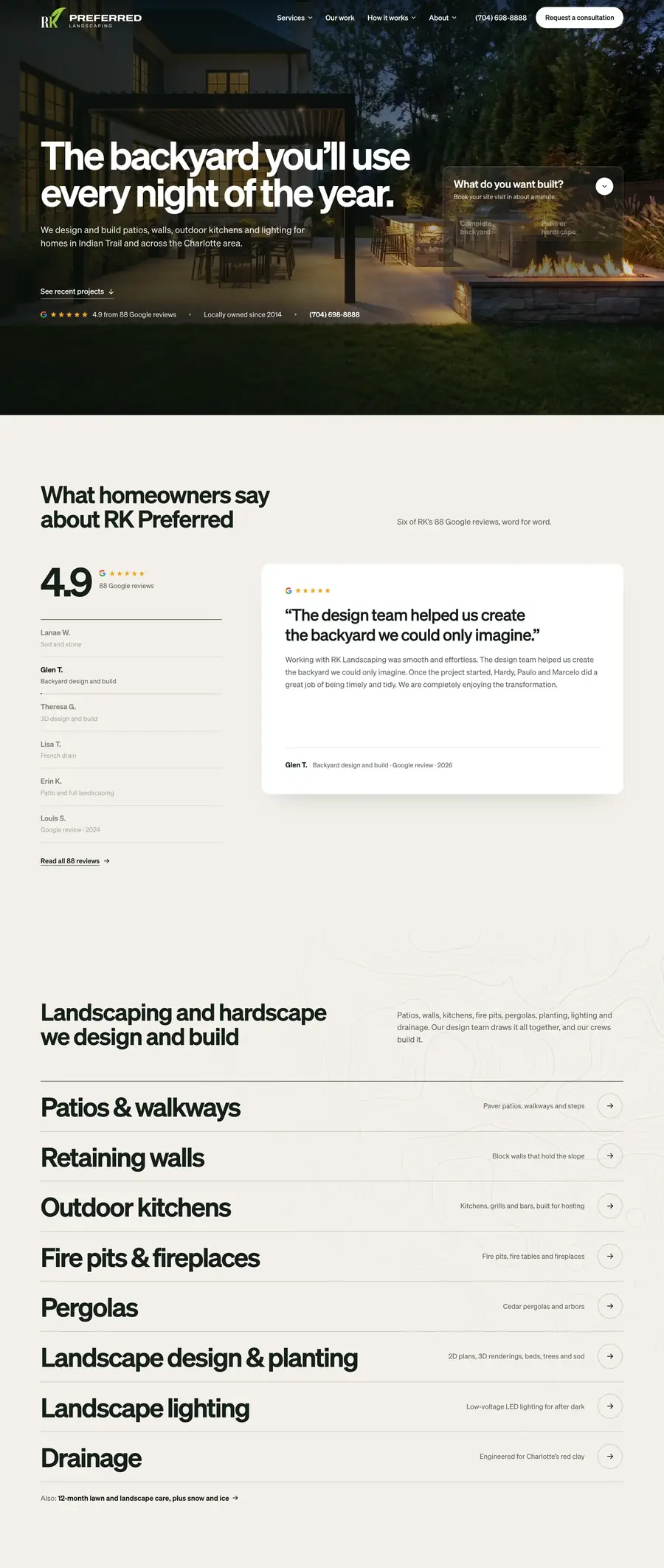
Plan a contractor website migration with a URL inventory, useful redirects, tested enquiry paths and post-launch search checks. Includes an RK Preferred example.
Choose contractor form fields that help your office respond, qualify the project and offer the right next step. Includes a sample intake and testing checklist.
Compare access to domains, hosting, website files, content, analytics and enquiries before choosing a contractor website provider or planning a handoff.
Prioritize a contractor SEO audit around accessible pages, search intent, project evidence, internal links and enquiry handling, with a practical issue worksheet.
Build a useful internal link map between contractor services, project examples and planning guides, with descriptive links and a simple review worksheet.
Review contractor search queries, landing pages and indexing issues in Search Console. Use a repeatable worksheet to choose the next useful page improvement.
Plan Google Business Profile locations around the real business, staffed premises and genuine service areas. Includes a branch worksheet and website coordination checks.
Review contractor search terms against actual services before excluding traffic. Includes an intent worksheet, example decisions and checks for overbroad negatives.
Check offer accuracy, service fit, project evidence, mobile usability, form delivery and campaign tracking before sending paid traffic to a contractor landing page.
Build a contractor ad test around one question, approved project evidence and qualified outcomes. Includes a creative brief and a review process for sales feedback.
Connect campaign links, homeowner source answers and CRM outcomes without confusing first discovery, last click and booked jobs. Includes a practical attribution record.
Build an estimate follow-up process around the homeowner's next decision, with sample messages, clear ownership and useful reasons to pause or close the enquiry.
Define appointment statuses, contact homeowners clearly and offer a useful reschedule path. Keep cancellations, no-shows and rebookings separate in the report.
Define contractor lead quality with observable project criteria, contact outcomes and reasons for rejection. Use a shared scorecard to improve ads and follow-up.
Define contractor CRM stages with clear entry rules, responsible owners and dated outcomes. Separate qualification, booking, attendance and signed projects.
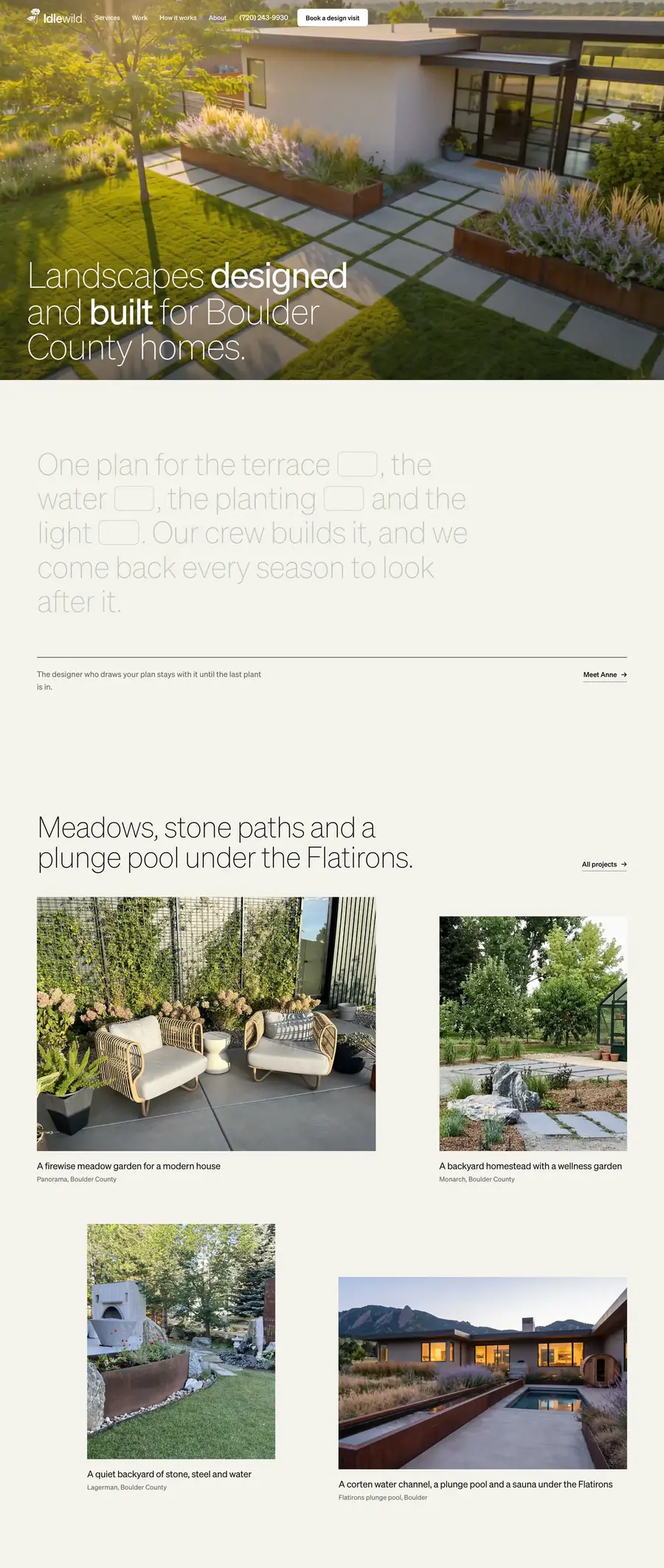
Position a landscape design-build business around complete projects, a clear design process and relevant portfolio evidence, while separating maintenance and repair enquiries.
Route roofing enquiries by service, area, property and consultation type. Build a practical intake that helps the office prepare the right inspection or follow-up.
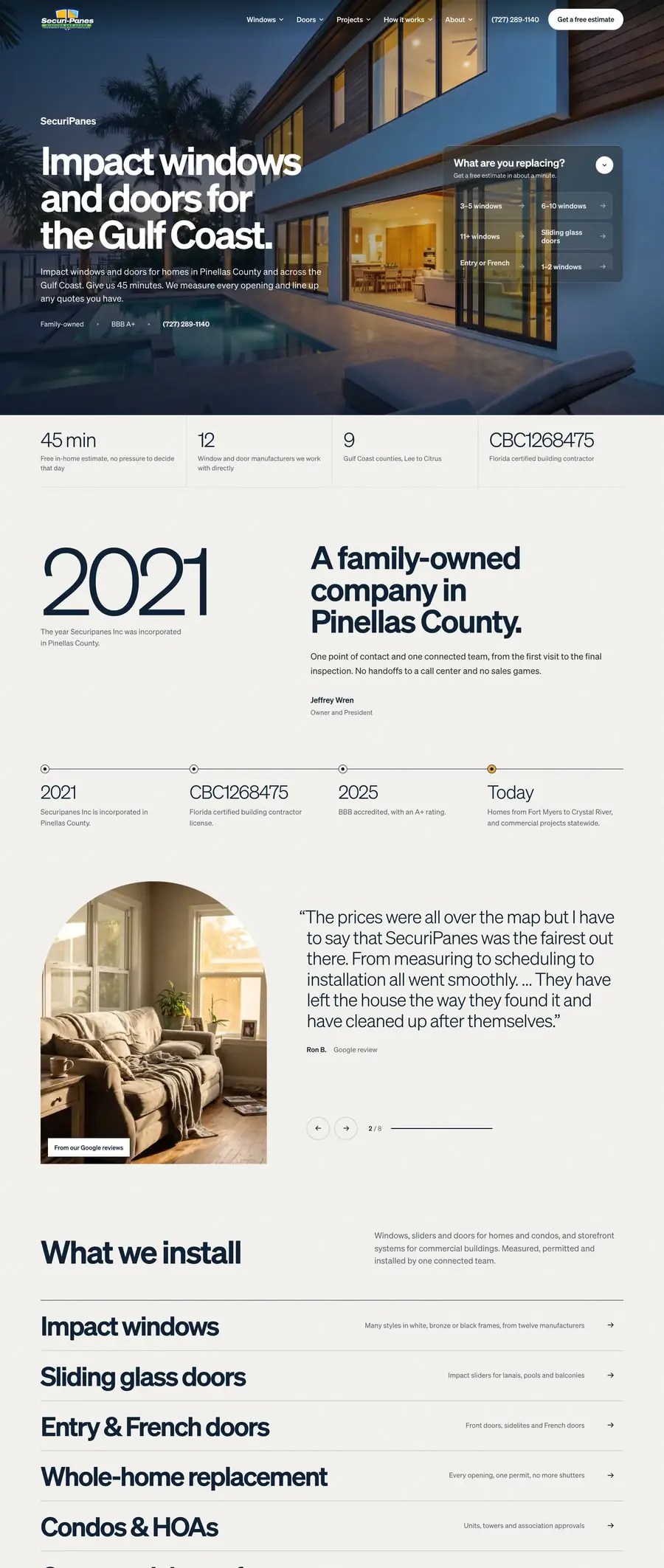
Plan siding website content around replacement scope, material decisions, project evidence and the assessment process, with a practical page and photo checklist.
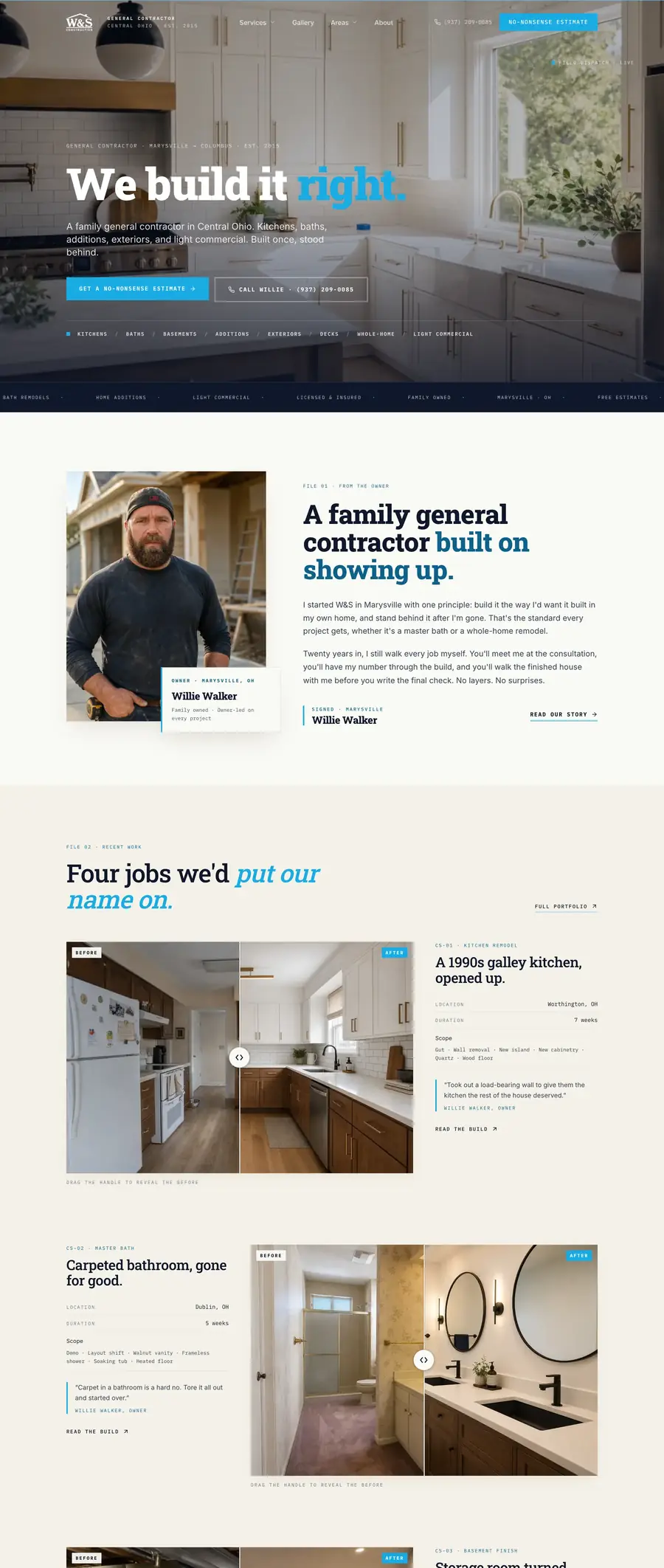
Organize a general contractor portfolio by the work you want to sell, with project context, accurate scope, useful captions and routes to relevant services.
Set a practical first-90-days plan for contractor marketing, covering scope, access, launch checks, enquiry quality, sales feedback and monthly decisions.
Inventory business access to domains, ad accounts, analytics, profiles and CRM tools before onboarding or changing agencies. Includes a practical handoff worksheet.
Compare a focused conversion website with a custom contractor build by page scope, project evidence, interactions, content readiness and ongoing responsibilities.
Review marketing costs, qualified enquiries, appointments, signed work and delivered improvements with clear time periods, definitions and next actions.
Prepare your contracting business for Google AI Mode with clear service information, project evidence, accurate availability, and an owned call-handling process.
Compare SEO, AEO, and GEO for contractors. Evaluate useful deliverables, business evidence, local visibility, and reporting without buying unsupported AI search tricks.
Measure Google AI impressions, repeatable discovery checks, AI referrals, and qualified inquiries. Build a contractor dashboard that separates visibility from revenue.
Compare an AI receptionist, human answering service, and hybrid reception for contractors using real call scenarios, escalation rules, booking accuracy, and ownership.
Calculate AI receptionist costs with setup, usage, phone routing, integrations, human escalation, and ongoing review. Includes an illustrative contractor budget worksheet.
Use practical AI prompts for contractor project stories, homeowner FAQs, ad concepts, and content review. Build from approved facts instead of invented claims or generic copy.
Choose between Meta instant forms and contractor landing pages by testing qualified appointments, follow-up, project fit, and the evidence a homeowner needs before booking.
Plan Facebook and Instagram ads for window replacement companies with accurate scope, real installation proof, practical qualification, and appointment-quality reporting.
Build a pool advertising campaign around design fit, complete backyard scope, verified project proof, service boundaries, and a consultation your sales team can use.
Plan hardscaping ads around usable outdoor space, project constraints, real construction evidence, clear maintenance boundaries, and practical appointment qualification.
Compare Local Services Ads and Google Search Ads by eligibility, billing, homeowner journey, service scope, response coverage, and qualified-job economics.
Understand the 2026 Home & Home Improvement search ad benchmark, its limits, and how to calculate your own cost per qualified appointment and signed project.
Define and calculate contractor cost per qualified appointment with agreed criteria, attendance tracking, consistent costs, and a worked example comparing lead quality.
Configure a service-area contractor's Google Business Profile around real coverage, customer-facing locations, actual services, useful project evidence, and inquiry ownership.
Build a contractor review process with genuine customer requests, a simple template, project-closeout ownership, professional replies, and a record of follow-through.
Compare contractor website proposals by copy, project evidence, service pages, integrations, ownership, maintenance, and measurement instead of one unexplained build price.
Plan useful contractor location pages with real local projects, accurate coverage, relevant constraints, and a clear hierarchy. Avoid town-name swaps and duplicate doorway content.
Build a remodeler's SEO content around project scope, lived-in renovation, cost drivers, process, and real project evidence. Includes a practical service and article map.
Plan pool-builder SEO around construction scope, site assessment, design tradeoffs, outdoor living, approved project evidence, and a useful path to a design consultation.
Connect Meta and Google advertising with contractor websites, SEO, AI search, and follow-up. Plan around appointment capacity, contribution, and honest attribution.
Build a pool-inquiry workflow that distinguishes service calls, captures design priorities, schedules the right next step, and measures qualified consultations.
Use AI to organize hardscape estimating inputs and draft scope explanations while measured quantities, costing assumptions, and approval stay with your estimator.
A remodeling AI plan for kitchen, bathroom, and whole-home discovery, consultation qualification, design preparation, and human-approved scope decisions.
A remodeling intake workflow that identifies project fit, preserves uncertainty, routes exceptions, and gives your design team a useful consultation brief.
Where general contractors can start with AI: clear project positioning, inquiry routing, subcontractor handoffs, daily records, and human-reviewed commitments.
A controlled workflow for drafting daily construction reports from field notes, with source records, project-manager review, and traceable corrections.
Connect contractor advertising, websites, search and follow-up around the work you sell, with clear scope, realistic expectations and useful measurement.
AEO for contractors: build a clear, credible search presence that helps homeowners and AI assistants understand your business, without guaranteed recommendations.
Review contractor website service information, project evidence, mobile use and enquiry handling before assuming a redesign or more traffic will solve the problem.
Measure time to first response and useful conversation, identify missed handoffs and design an after-hours process your contracting business can support.
Prepare a contractor estimate around the homeowner’s goals, a reviewed scope, genuine options and an agreed next step, without pressure or unsupported pricing claims.
Review old estimates and project enquiries before planning reactivation, with current scope, contact preferences, a useful message and a clear response owner.