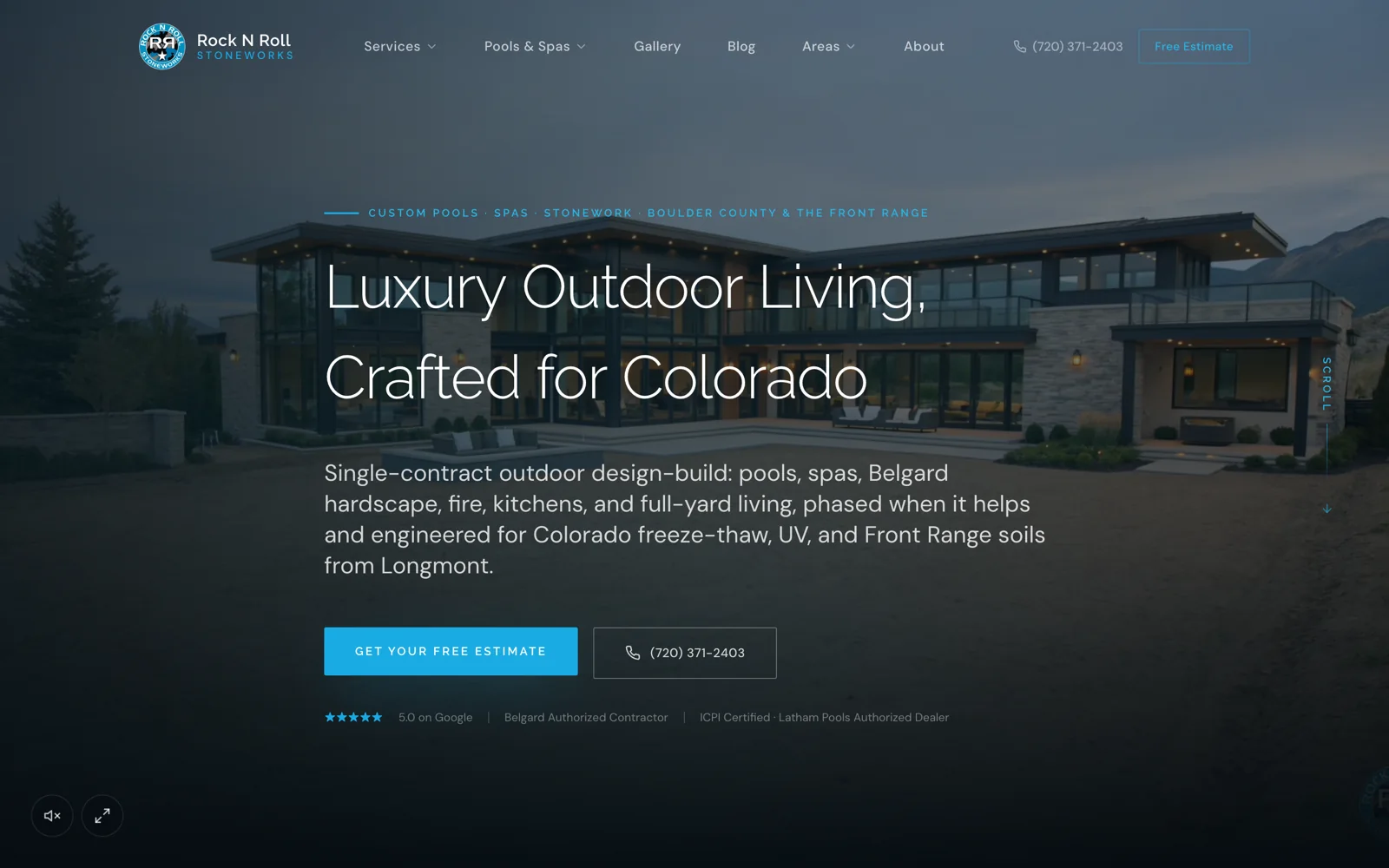
An ad test is easier to interpret when it begins with a question. Do homeowners respond to a completed project, a designer explaining a decision, or a clear description of the consultation? Name the question before producing the creative, then keep the offer and qualification path understandable.
A new image alone is not a complete testing plan. Record the intended audience, service area, promise, destination and outcome to review. A creative that produces many cheap contacts can still be a poor fit if the people asking do not want the work your company sells.
Write a brief tied to one customer decision
Choose a recurring hesitation from real consultations, such as uncertainty about the design process or whether a small yard can accommodate the intended use. Have the responsible team member explain what can be answered before a site visit and what still needs assessment.
The creative should make the next conversation more useful. Show the relevant work or explain the process using facts the team has approved. Avoid invented discounts, unverified project values and generic claims about being the top company in the market.
- Customer question: what is the homeowner trying to decide?
- Evidence: which project or team explanation answers it?
- Offer: what happens after the enquiry?
- Success check: which qualified outcome will be reviewed?
Make the differences deliberate
An illustrative three-concept test could compare a project walkthrough, a short explanation from the estimator and a before-and-after story. Keep the service and next step consistent while comparing those approaches. Label each asset clearly enough that the office can identify it from an enquiry record.
Do not change every variable and then attribute the result to one headline. When budget and delivery allow, compare a defined creative difference against the same offer. Where the platform allocates exposure unevenly, record that limitation instead of presenting the comparison as a controlled experiment.
Look past the initial contact
Review whether enquiries match the service, area and project criteria. Keep booked, attended and signed outcomes separate. If one concept attracts maintenance requests for a new-build business, the lower contact cost does not make it the winner.
Read actual conversation notes with the person handling the leads. Creative can set expectations about price, timing or scope that the form does not capture. A repeated misunderstanding is a reason to revise the promise, even when the initial click response looks strong.
Keep a usable learning record
For each concept, retain the approved asset, dates, spend, destination, qualification definition and outcome notes. A future test should build on the decision you learned from, not simply reuse the last winning image with a new label.
Refresh creative when the evidence, offer or response warrants it. Seasonal scheduling, crew capacity and available projects can change what is useful to advertise. Keep the production plan connected to those business facts so the testing cadence does not become an obligation to publish something new every few days.
Common questions
Is the ad with the cheapest lead the best creative?
- Only if those enquiries also fit the service and progress to useful outcomes. Review qualification, attendance and sales feedback alongside media cost.
How many ads should a contractor test at once?
- Choose a number your budget and reporting can meaningfully support. A few clearly differentiated concepts are easier to learn from than many changes with little delivery each.